Pulling up a heavy hitter from your kayak is one of the best feelings in the world, but as any experienced angler will tell you, not every fight ends in a feast.
I’ve spent years on the water, and I’ve learned the hard way that some fish are better off back in the drink. Whether it’s because they taste like a mouthful of silt, are packed with more bones than meat, or carry health risks, knowing the difference can save your dinner – and your stomach.
Generally, the fish we avoid fall into three camps: the “mudsuckers” from murky freshwater, the oily saltwater predators that can taste like a battery, and the “trash fish” that are just too much work to clean.
From common carp to high-mercury king mackerel, we’re going to break down the “why” behind the bad reputation of these 12 species.
Nowadays, we have better tools and handling tips than ever before, but safety always comes first.
Quick Ranking: Worst Tasting Fish Anglers Complain About Most
| Rank | Fish | Main Taste Issue | Safety Worry | Our Take |
| 1 | Common carp | Muddy, bony | Local contaminants | Keep from clean water only |
| 2 | Bowfin | Mushy texture | Handling is key | Eat fresh or release |
| 3 | Gizzard shad | Oily, bony | Rare table fish | Use as bait |
| 4 | Large bluefish | Strong/fishy | Mercury/PCBs | Bleed, ice, trim dark meat |
| 5 | Jack crevalle | Metallic/bloody | Needs handling | Keep only smaller fish |
| 6 | Bigmouth buffalo | Coarse/muddy | Advisory waters | Smoke or grind |
| 7 | Freshwater drum | Divisive taste | Mercury advisories | Check local rules |
| 8 | Large black drum | Wormy, coarse | Parasites | Keep “puppy drum” only |
| 9 | Gar roe | Flesh can be good | Roe toxicity | Never eat gar eggs |
| 10 | Barracuda | Flavor varies | Ciguatera | Avoid in reef zones |
| 11 | Shark | Ammonia-like | Mercury/spoilage | Usually skip |
| 12 | King mackerel | Strong flavor | High mercury | Avoid large ones |
Flavor is subjective, but safety isn’t. While anglers judge a fish by its smell and texture, federal agencies like the FDA and EPA track the invisible dangers like mercury and chemical runoff. It’s a good rule of thumb to cross-reference your “taste” list with their “health” list.
Specifically, the FDA and EPA maintain a Choice to Avoid group. This list includes big-name predators like king mackerel, marlin, shark, and swordfish. These guys sit at the top of the food chain, meaning they accumulate higher levels of mercury over time.
How “Worst Tasting Fish” Should Be Judged
When a fish tastes “off,” it’s usually due to its diet, its environment, or how it was handled. That classic “muddy” flavor is actually caused by geosmin, which is a natural compound produced by algae and bacteria. Research from DTU Food confirms that while it won’t hurt you, it certainly ruins a fillet.
Always remember that water quality varies. As the EPA fish advice points out, a fish that is safe to eat in one lake might be under a strict advisory in the next county over due to local pollutants.
1. Common Carp
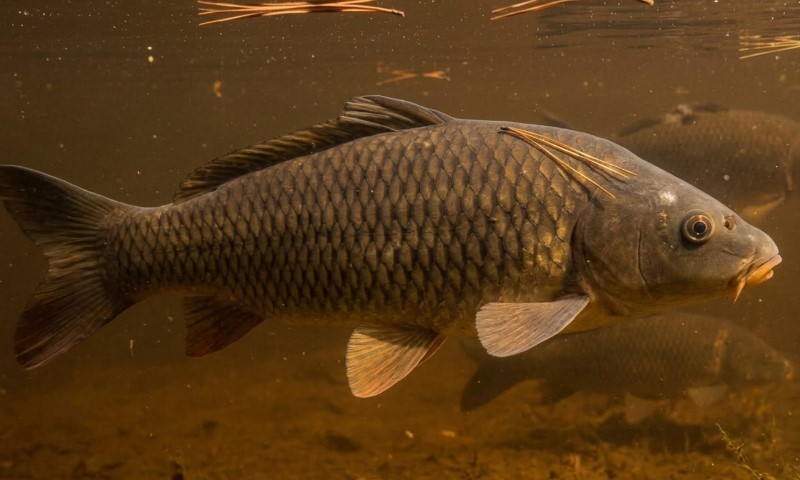
Carp are the ultimate environmental reflectors. Because they are bottom feeders, they soak up the flavor of their surroundings. In stagnant, warm ponds, they taste like the mud they sift through. They also possess a complex “Y-bone” structure that makes them a nightmare to fillet for the uninitiated.
On a kayak, the sheer slime factor of a carp is a major deterrent; they will coat your seat, pedals, and electronics in a thick mucus that is tough to scrub off.
Unless you have a large, dedicated fish bag, the bulk of a decent-sized carp takes up far too much room for a fish that most people consider a “utility” meal at best.
If you’re determined to try it, MeatEater has an excellent guide to carp preparation. Smoking is the traditional favorite because the high heat helps render the fat and makes picking the meat off the bones much easier.
Best use: Smoked, fish cakes, or ground for patties.
2. Bowfin
Bowfin have unique enzymes in their flesh that begin to break down the muscle fibers almost immediately after death. If they aren’t iced down instantly, the meat turns to a “cotton-like” mush.
For a kayak angler, this means you need a dedicated cooler with plenty of ice, not just a stringer in the water.
Managing a thrashing bowfin in a kayak is like wrestling a muscular, slippery prehistoric snake; their teeth are no joke and can easily puncture a dry bag or your hand. If you can’t get them on ice within minutes, save yourself the mushy disappointment and let them go.
Best use: Pan-fry immediately or fish cakes.
3. Gizzard Shad
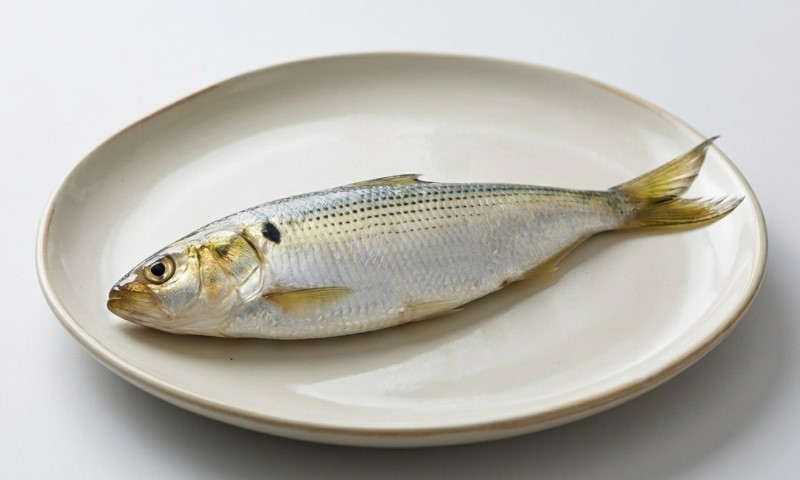
Most anglers view gizzard shad as the “fast food” of the fish world – great for bigger fish to eat, but not for us. They are packed with tiny, intramuscular bones and have a high oil content that turns rancid quickly.
They are far more valuable as fresh-cut bait for catfish than as a meal. In a kayak, shad are notorious for shedding scales that stick to everything like glitter; you’ll be finding them in your gear for weeks.
Their strong, oily odor also permeates any plastic container or bag you put them in, making them a “bait-only” guest on my boat.
Best use: Bait, or smoked for the adventurous.
4. Large Bluefish
View this post on Instagram
Bluefish are aggressive fighters with a “rich” flavor that can be overwhelming in larger specimens. NOAA’s bluefish profile notes their high oil content. To make them edible, you must bleed the fish immediately after catching it and remove the dark “blood line” during filleting, which is where the strongest fishy flavors reside.
Bleeding a large bluefish in a kayak is a messy affair that often results in a “crime scene” deck, attracting flies and smelling up your cockpit in the heat. Unless you’re prepared to rinse your deck immediately, these oily fighters are better off released.
Best use: Grill, smoke, or make a fish dip.
5. Jack Crevalle
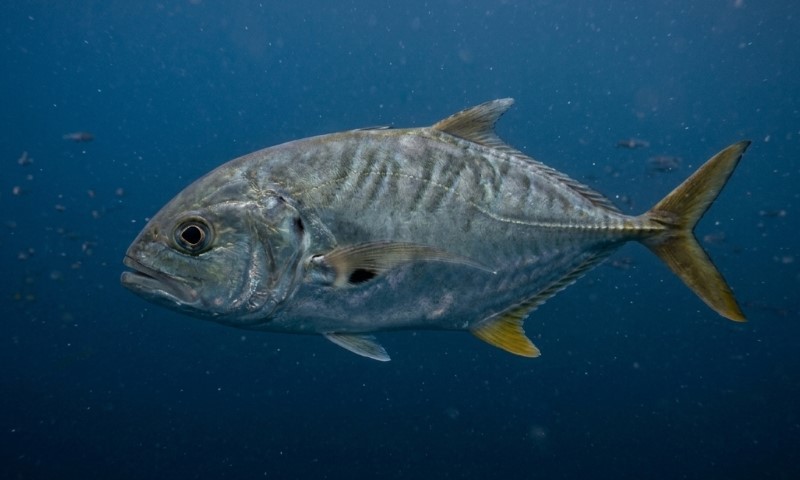
Jacks are the pound-for-pound kings of the kayak fight, but their meat is dark, bloody, and has a distinct metallic tang. Most experienced anglers stick to the “under 5 lbs” rule for keeping them.
Check out this jack crevalle recipe for tips on using heavy citrus and spices to mask the strong flavor. Handling a big jack in a kayak is physically exhausting, and the reward for all that effort is a mountain of bloody meat that most people won’t enjoy.
Keep the smaller ones if you must, but release the big bulls to keep the fight alive for the next angler.
Best use: Smaller fish, heavily seasoned or smoked.
6. Bigmouth Buffalo
Buffalo are often misidentified as carp, and while they share the same bony issues, they are actually native to North America. The distaste for them is often more cultural than culinary.
As part of the rough fish revolution, many are finding that properly scored and fried buffalo is a hidden gem. From a kayak, these fish are manageable, but their thick scales and sturdy bones require heavy-duty knives and a stable surface to clean.
If you find yourself in a remote area with limited gear, the “trash fish” label might stick simply because they are too labor-intensive to process on a small scale.
Best use: Smoked, canned, or pressure-cooked.
7. Freshwater Drum
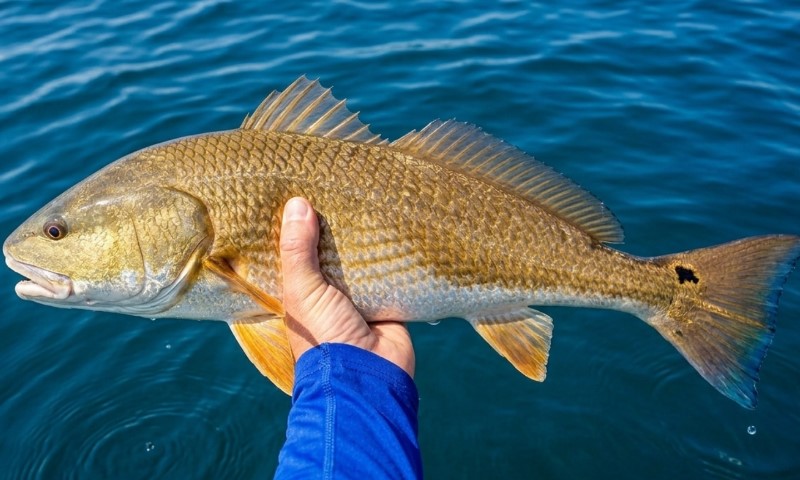
The drum is a controversial one; some love the firm texture, while others find it rubbery. The bigger issue for kayak anglers is that drum are often subject to consumption advisories in industrial or urban areas.
Always verify the safety of your local honey hole. Since drum often feed in the same murky areas where kayaks excel at sneaking in, you might be tempted to keep them, but their firm flesh can quickly turn into a “bouncy” experience if overcooked.
They also tend to grunt loudly when caught, which is charming but can be startling in the quiet of a solo kayak session.
Best use: Fried nuggets or chowder.
8. Large Black Drum
While “puppy drum” are delicious, the old bulls are a different story. They become incredibly coarse and are prone to hosting “spaghetti worms.”
As explained by LSU Sea Grant, these parasites are harmless to humans once cooked, but seeing a three-inch worm crawl out of your fillet is enough to ruin anyone’s appetite.
Trying to hoist a 40-pound black drum onto a kayak deck is a recipe for a tip-over or a strained back. These big guys are old, some over 40 years, and the meat is simply too tough to enjoy, making them the ultimate catch-and-release target for the kayak enthusiast.
Best use: Keep smaller “puppy drum” only.
9. Gar Roe
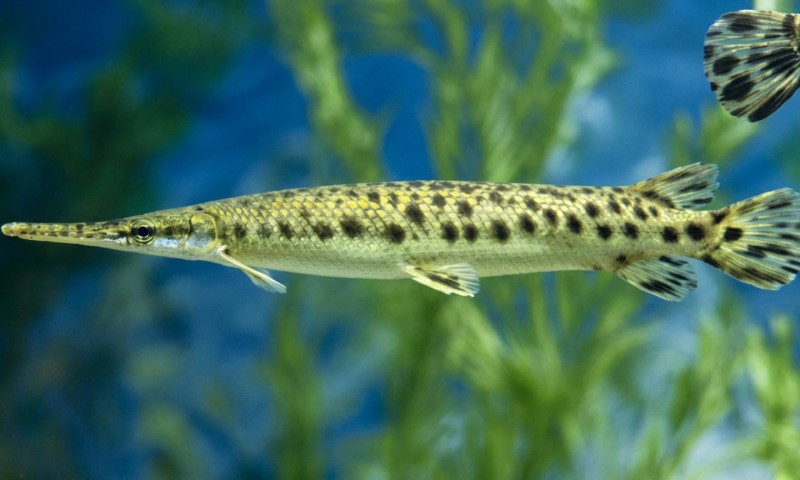
The meat? Surprisingly decent – white and firm. The roe (eggs)? Stay away. The eggs are toxic. When you’re at the cleaning table, make sure you discard all the roe and everything touching it. It’s not worth the risk.
Gar are notoriously difficult to de-armor; their scales are like chainmail, and you’ll often need tin snips to get through them.
In a kayak, a thrashing gar is like having a chainsaw with teeth in your lap; the risk of injury while trying to secure the fish for a meal often outweighs the culinary reward.
Best use: Properly cleaned meat only; never the roe.
10. Barracuda
@captainconnorshemcreek Let me know what you think about eating barracuda. All opinions are welcome! #chartercaptain #charlestonsc #captain #mountpleasant #charleston #shemcreek #shemcreek #charlestonharbor #dayinmylife #redfishfishing #charlestonfishing #charlestonharbor #captainconnor #cobiafishing #barracuda
Barracuda can be a tasty, white-fleshed fish, but they are the primary carriers of Ciguatera—a toxin produced by algae on coral reefs. The CDC warns that this toxin is heat-stable, meaning you can’t cook it out. It’s a “gamble fish” that most veterans simply won’t risk.
Beyond the toxin, barracuda are extremely smelly and “toothy,” making them a dangerous presence in a kayak cockpit where your legs are exposed.
The lingering scent of a barracuda on your kayak is something you’ll be smelling for the rest of your trip, which is enough of a reason to unhook them in the water.
Best use: Photograph it, then release it.
11. Shark
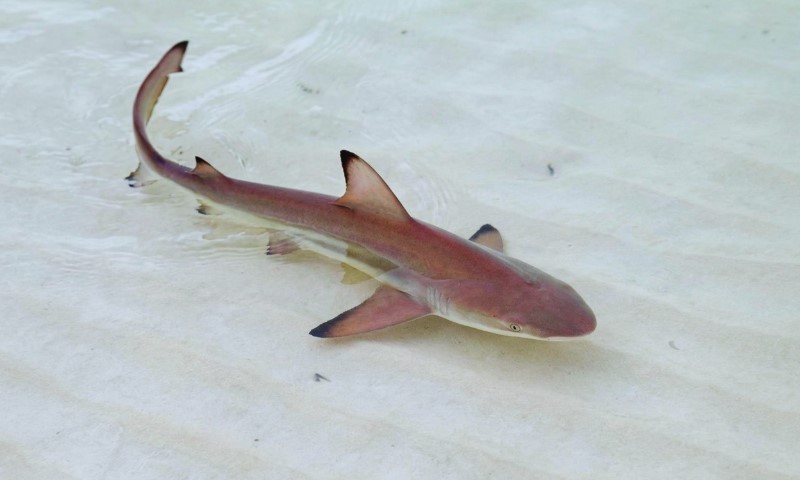
Sharks excrete urea through their skin, which can lead to a strong ammonia smell and taste if not processed correctly.
NOAA suggests immediate bleeding and a milk or lemon juice soak to neutralize the flavor, but given their slow growth rates and mercury levels, catch-and-release is usually the better choice.
In a kayak, a small shark is a handful of sandpaper and teeth that can easily scrape your gelcoat or your skin. Larger sharks are simply dangerous to bring alongside; the risk of a “tail whip” or a bite in such close quarters makes them a poor candidate for a kayak harvest.
Best use: Catch and release.
12. King Mackerel, Swordfish, Gulf Tilefish, Bigeye Tuna, Marlin, And Orange Roughy
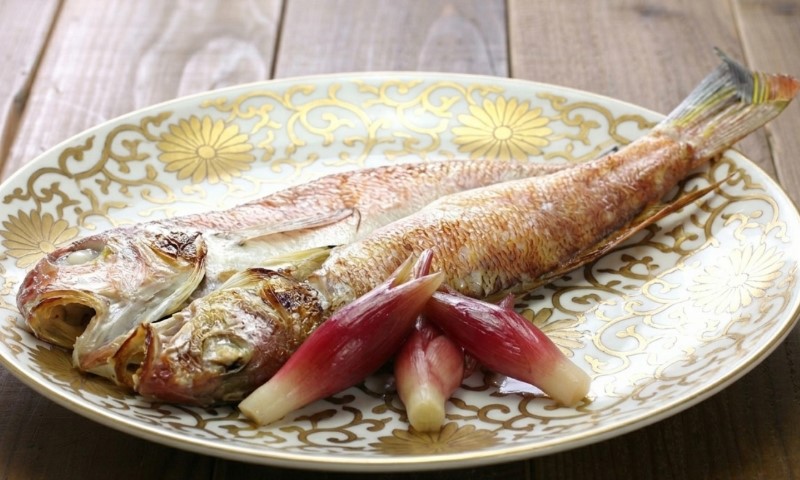
These large pelagic fish are prone to scombroid poisoning if they aren’t chilled immediately. The FDA’s guidance explains that bacteria create histamines in the meat during spoilage, which can cause severe allergic-like reactions.
In a kayak, keeping these giants at the proper temperature is a massive logistical challenge. You would need a massive insulated fish bag and dozens of pounds of ice, which adds significant weight and affects your kayak’s stability.
Unless you are fishing right next to a mother ship or a ramp, these high-mercury, high-risk species are best left in the deep.
Best use: Occasional harvest only if you are certain about the fish’s history.
The Bottom Line for Kayak Anglers
At the end of the day, being a great angler means respecting the resource. Ethical angling isn’t just about following the law; it’s about understanding the impact of your choices on the local ecosystem.
When we choose to release a fish that we aren’t prepared to handle correctly, we ensure that the population remains healthy for the next generation of paddlers. If you aren’t prepared to handle a “difficult” fish with the ice and cleaning time it requires, do the ethical thing and let it go. There’s no shame in a catch-and-release day when the alternative is a wasted life and a bad meal.
Respecting the fish also means acknowledging our own limitations as kayak anglers. We are visitors in their world, and our small crafts allow us a level of intimacy with the water that larger boats lack. Use that connection to foster a sense of stewardship. For consistent, easy table fare, stick to the tried-and-true species.
But if you’re feeling adventurous, use these tips to ensure your next “oddball” catch actually makes it to the table instead of the trash. Happy paddling, and tight lines!

Adelaide Gentry, a seasoned kayaking enthusiast and expert, is the driving force behind KayakPaddling.net. With over a decade of experience navigating the world’s most challenging waterways, Adelaide combines her passion for adventure with a deep knowledge of kayaking to provide insightful and practical guidance for paddlers of all levels.