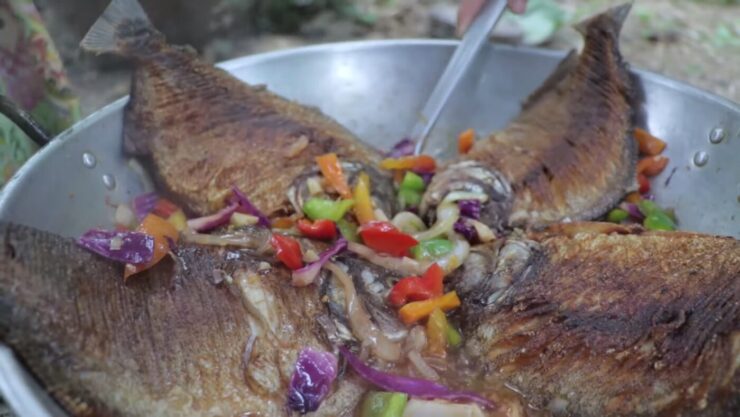
Yes, you can eat piranha fish. In parts of South America, especially around the Amazon basin, piranha is eaten grilled, fried, stewed or cooked into soup. It is a freshwater fish with firm white meat, a lot of bones and a reputation that is much scarier than the plate itself.
The bigger question is where the fish comes from, how fresh it is, and whether it is legal to catch, buy or keep in your area. Piranhas are native to South American rivers and floodplains, and they are not a normal food fish in the United States, Canada or most of Europe.
For most readers, piranha is something they may try while traveling in South America or on a guided fishing trip, rather than something they should expect to find at a local seafood counter.
What Does Piranha Taste Like?
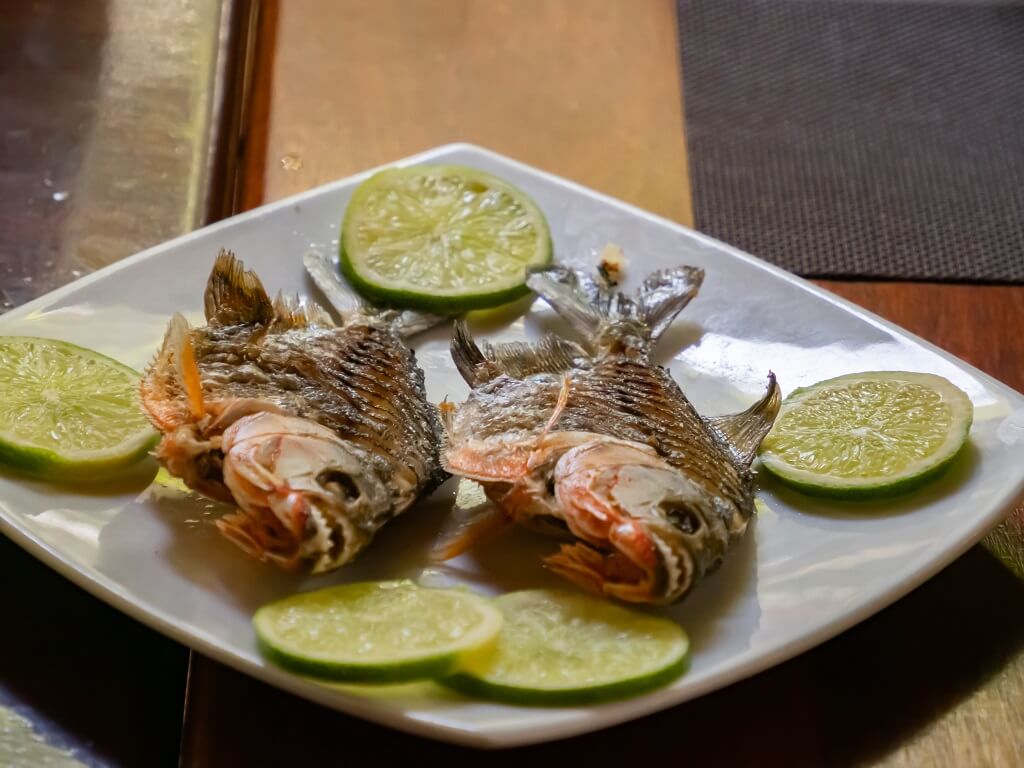
Piranha has firm, white flesh with a clean freshwater taste when it is fresh and cooked properly. It is usually described as mild to moderately fishy, depending on the water it came from and how it was handled after being caught.
The texture is the bigger issue. Piranha can be bony, especially compared with easier table fish such as trout, bass or tilapia. Small piranhas do not give much meat, so many local dishes use the whole fish or cook it in a way that makes eating around the bones easier.
People who like freshwater fish may enjoy it. People who dislike bony fish may find it annoying, even if the flavor is fine.
Quick Taste Summary
| Feature | What To Expect |
|---|---|
| Flavor | Mild to fishy, depending on freshness and water quality |
| Texture | Firm white meat |
| Bone Level | High compared with many common eating fish |
| Best Cooking Methods | Grilled, fried, stewed or made into soup |
| Best For | Travelers, adventurous eaters and people used to whole freshwater fish |
Is Piranha Safe To Eat?
Piranha can be safe to eat when it comes from clean water, is handled properly and is cooked fully. The fish itself is not poisonous.
Food safety works the same way it does with other freshwater fish. The risk comes from poor handling, undercooking, contaminated water, parasites, spoilage or unsafe local fishing conditions.
FoodSafety.gov recommends cooking fish to 145°F, or until the flesh is opaque and separates easily with a fork. That guidance applies to piranha as it does to other fish.
Mercury and other contaminants can also be a concern with wild fish. The EPA guidance on fish that contain mercury explains that local fish advisories are the safest way to know whether fish from a certain waterway should be eaten. The FDA advice about eating fish also recommends checking advisories for fish caught by family or friends.
Where Do People Eat Piranha?
Piranha is eaten in several South American regions where the fish is part of local river life. It may appear in markets, riverside restaurants, fishing lodges and home kitchens.
In Amazon areas, piranha soup is one of the better-known preparations. Grilled or fried whole piranha is also common because the fish is easier to cook whole than to fillet cleanly.
For travelers, the best way to try it is through a local restaurant, lodge or guided fishing trip that knows the species, the water and the preparation. Buying random fish from an unknown source is never the smartest way to test an unfamiliar food.
Why Piranhas Have A Scarier Reputation Than They Deserve
Piranhas are famous because of teeth, movies and exaggerated attack stories. The actual animal is more complicated.
Britannica describes piranhas as South American freshwater fish with sharp triangular teeth and a reputation for ferocity that has been exaggerated in popular culture. Britannica also notes that many species scavenge or eat plant material.
The older article linked to piranha facts from A-Z Animals, and that same source makes a useful point: piranhas are diverse, and their behavior is not as simple as movie scenes suggest.
That does not mean they are harmless. A live piranha should be handled carefully. The teeth can cut deeply, and most injuries happen when people catch, handle or disturb the fish.
How To Handle A Piranha Before Cooking
The dangerous part is handling the fish while it is alive or freshly caught. The teeth are sharp, the jaw is quick, and careless handling can lead to a serious bite.
Use pliers or a hook remover instead of fingers near the mouth. Keep the fish controlled, avoid loose handling in a boat or kayak, and do not let children handle a live piranha.
Anyone new to fishing should first learn basic rod control, casting and hook safety. A beginner guide like how to cast a fishing rod is more useful than trying to learn those basics with a toothy fish already on the line.
Handling Rules That Actually Help
- Keep fingers away from the mouth.
- Use pliers for hooks.
- Kill and clean the fish quickly if it will be eaten.
- Keep the fish cold after cleaning.
- Do not eat fish that smells sour, rotten or unusually chemical.
- Cook the fish fully before eating.
How To Cook Piranha
Piranha is usually cooked simply. The fish is small enough that whole-fish cooking often works better than trying to get perfect fillets.
Frying gives crisp skin and makes the fish easier to eat by hand. Grilling works well when the fish is cleaned, seasoned and cooked carefully so it does not dry out. Soup is useful because it pulls flavor from the bones and gives the meat a softer role in the dish.
| Cooking Method | Why It Works | What To Watch |
|---|---|---|
| Fried | Fast, crisp and forgiving | Small bones remain, so eat carefully |
| Grilled | Good for whole fish and smoky flavor | Can dry out if cooked too long |
| Soup | Uses the whole fish and handles bones better | Strain or eat carefully depending on preparation |
| Stewed | Works with herbs, vegetables and broth | Needs careful seasoning to avoid muddy flavor |
A basic preparation is simple: clean the fish, season with salt, lime, garlic and pepper, then fry or grill until the flesh turns opaque and flakes easily. If making soup, simmer the fish with onion, garlic, herbs, tomato, peppers and vegetables, then remove bones carefully before serving.
Does Piranha Smell Bad?
Fresh piranha should smell like freshwater fish. A muddy smell can happen with river fish, especially from warm or stagnant water. A rotten, sour or ammonia-like smell means the fish should be thrown out.
Good cleaning helps. Remove the guts, rinse the cavity, keep the fish cold and cook it soon. Lime, garlic, herbs and smoke can improve flavor, but seasoning cannot fix spoiled fish.
Can You Catch Piranha From A Kayak?
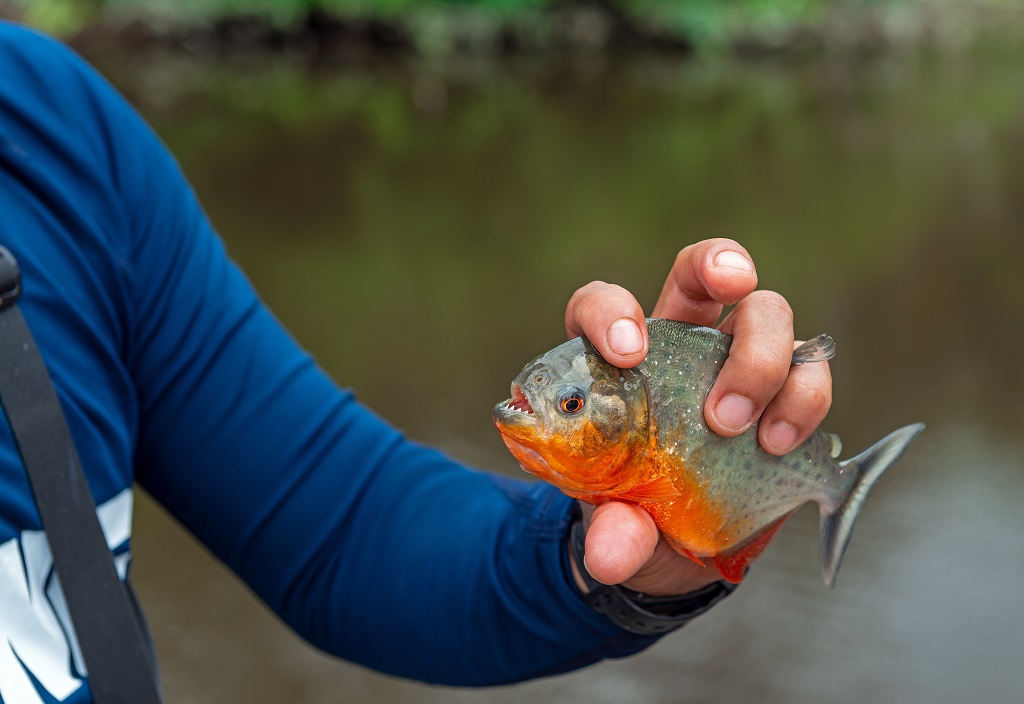
Yes, but it should be done only in places where it is legal and with local guidance. Piranhas are native to South America, and fishing rules vary by country, region and waterway.
Kayak anglers also need to think about safety. A small boat gives less room for handling toothy fish, sharp hooks and gear. Keep tools within reach, land the fish carefully and do not leave loose fish flopping near bare feet.
For bait and tackle planning, a broader guide to effective fishing lures and bait choices can help newer anglers understand how presentation changes what fish strike.
Can You Buy Piranha To Eat?
In South America, yes, depending on the region. In many other countries, it is unusual and may be restricted.
Some places regulate piranha importation or ownership because of invasive-species concerns. Before buying, transporting or keeping piranha, check local laws. Aquarium rules and food rules may be different, and releasing any non-native fish is a serious environmental problem.
For most readers outside South America, the practical answer is simple: try piranha from a reputable local source while traveling rather than trying to source it at home.
Common Mistakes When Eating Piranha
- Expecting it to taste like a mild boneless fillet.
- Ignoring the bones.
- Handling live fish by the mouth.
- Eating fish from unknown or polluted water.
- Undercooking the fish.
- Assuming all piranhas behave the same way.
- Trying to buy or keep piranha without checking local laws.
FAQ About Eating Piranha
The Bottom Line
Piranha can be eaten, and in parts of South America it is a normal local fish rather than a dare. The meat is firm and white, the flavor is usually mild to fishy, and the bones are the main eating challenge.
The safest way to try piranha is from a clean, legal source and cooked fully. Handle live fish carefully, respect local fishing rules, check advisories when eating wild-caught fish, and do not believe the movie version of the animal. Piranha is food in the right place, with the right preparation.

Adelaide Gentry, a seasoned kayaking enthusiast and expert, is the driving force behind KayakPaddling.net. With over a decade of experience navigating the world’s most challenging waterways, Adelaide combines her passion for adventure with a deep knowledge of kayaking to provide insightful and practical guidance for paddlers of all levels.